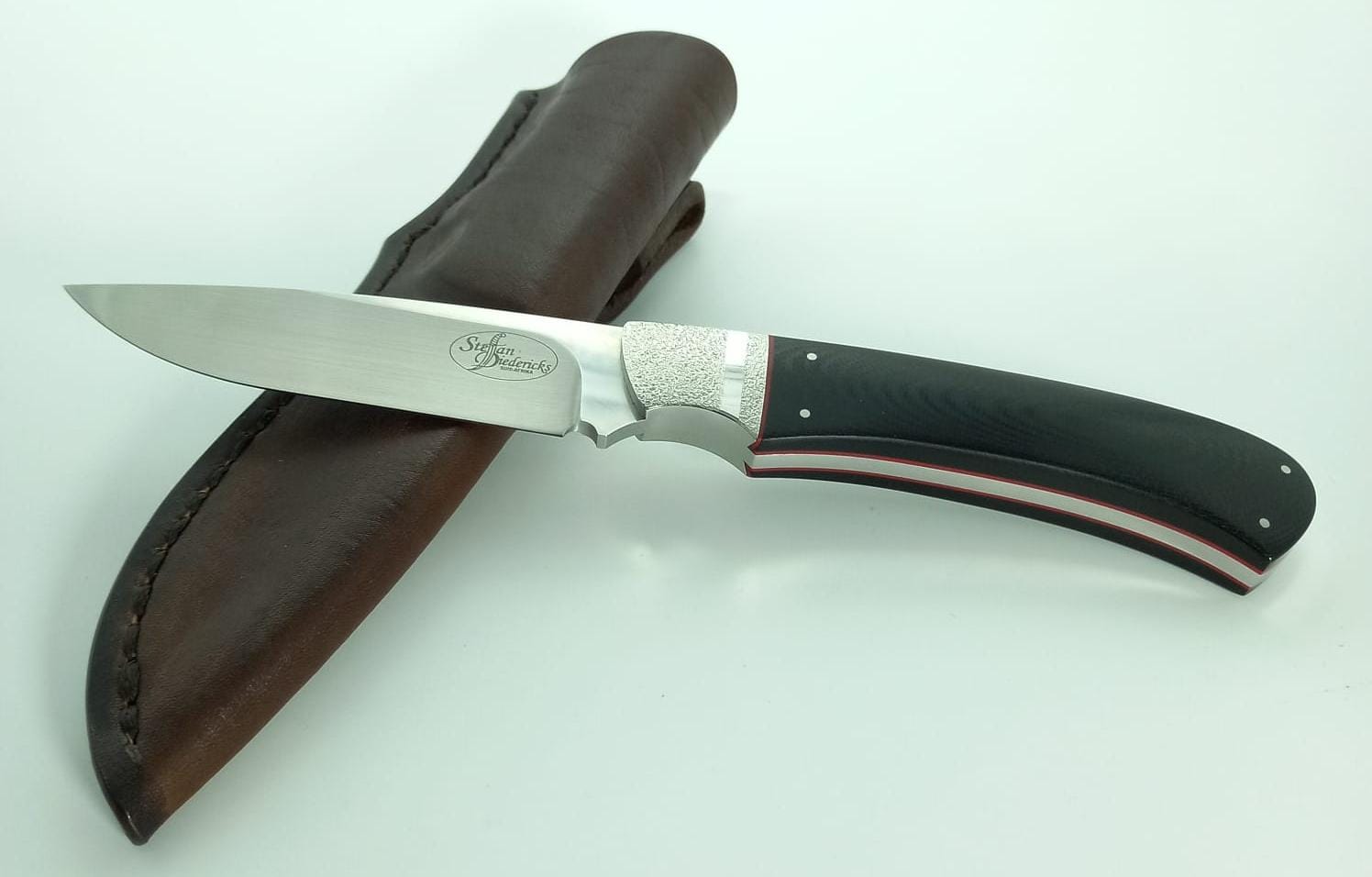
If you read this, you have considered knifemaking as a hobby. It blends raw elements, ancient history, and physical craftsmanship into a deeply satisfying pursuit. It lets you transform a crude bar of steel into a functional, beautiful, and unique tool using your own hands and patience.
Key Rewards of Knifemaking - Deep historical connection: Working with metal and fire connects you to generations of traditional smiths and primitive survival skills.
- Meditative focus: The rhythmic work of grinding, shaping, and hand-sanding provides an escape from digital clutter and daily stress.
- Tangible utility: Unlike purely decorative crafts, you end up with a razor-sharp, practical tool you can use for camping, cooking, or everyday carry.
- Multidisciplinary learning: You naturally pick up metallurgy, woodworking, physics, and design mechanics along the way.
- Creative expression: From picking exotic handle scales to defining the blade geometry, every choice reflects your personal style.
The Realities of Getting Started - Low entry barrier: You can start simply via the stock removal method (filing and shaping cold steel) using basic shop tools like a hacksaw, files, sandpaper, and a bench vise rather than heavy forging gear.
- Scalable investment: It can be done on a tight budget initially, though enthusiasts often choose to upgrade to belt grinders and gas forges as their passion deepens.
If you are thinking about starting, would you like to know about: - The basic tool list needed for a beginner setup?
- Choosing between stock removal vs. forging?
- Good starter steels and handle materials?
Visit our website for more details on the tools, materials and consumables we offer. Our product range is based on more than 25 years experience in knifemaking. We can also recommend where to get equipment.
|